


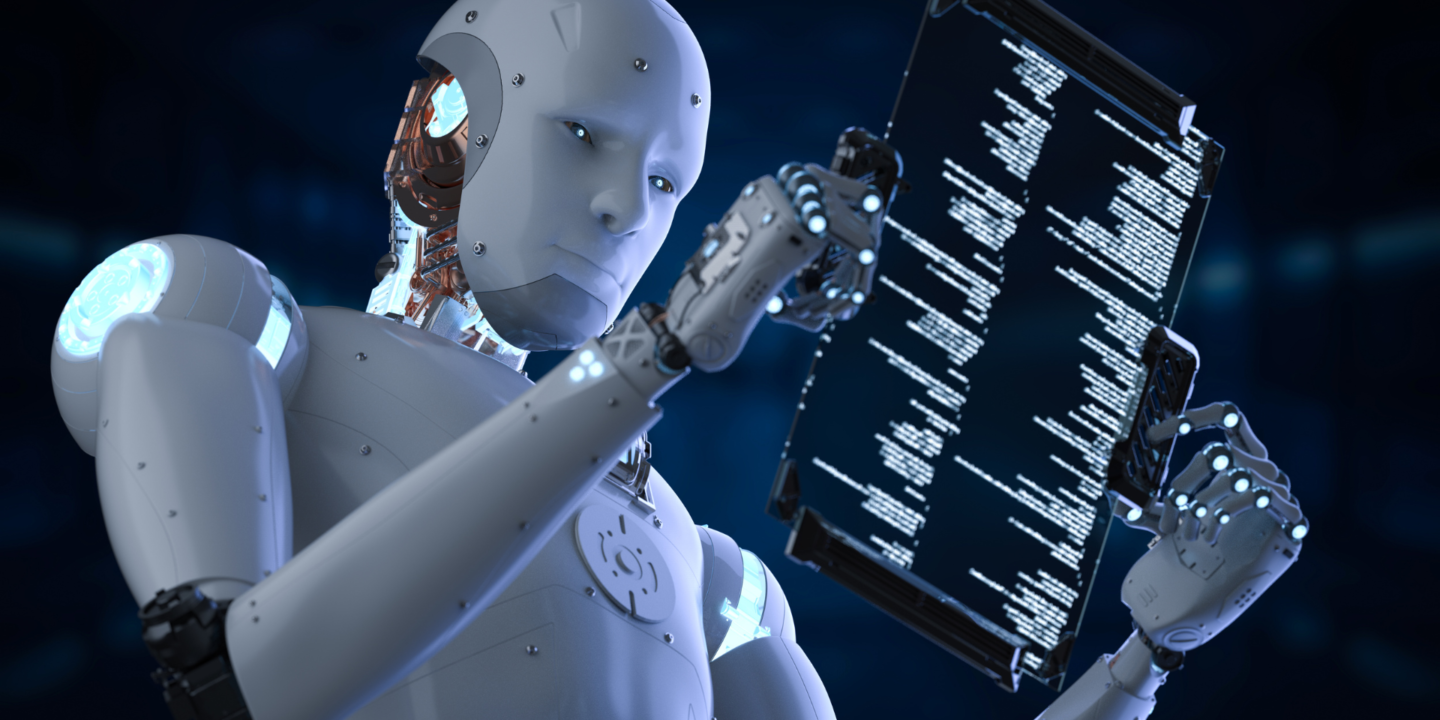
Hey everyone, let’s talk about robots. No, not the kind from sci-fi movies (though those are cool too). We’re talking about the real-world rise of automation and robotics, a trend transforming industries and sparking much debate. Will these advancements lead to mass unemployment, as some fear? Or will they usher in a new era of opportunity and innovation? Let’s dive in.
The Automation Anxiety: Are the Robots Coming for Your Job?
It’s understandable to feel a little apprehensive. We’ve all heard stories about robots taking over manufacturing jobs, self-checkout kiosks replacing cashiers, and AI writing articles (like, hopefully, not this one!). The truth is, automation is changing the job market. Repetitive, manual tasks are increasingly being handled by machines, and that trend is only accelerating.
But here’s the crucial question: does this mean widespread job loss? The answer is more nuanced than a simple yes or no.
The Job Creation Equation: Where Do New Opportunities Come From?
While some jobs are indeed being displaced, history tells us that technological advancements also create new ones. Think about it: the invention of the internet didn’t just eliminate some old jobs; it gave rise to entire new industries like e-commerce, social media, and software development.
Similarly, automation and robotics are creating demand for professionals in areas like:
- Robot Design and Engineering: Someone has to build these machines, right? This field requires specialized skills in robotics, AI, and software engineering.
- Automation Maintenance and Repair: Robots break down too! Technicians with expertise in robotics and automation systems will be needed to keep things running smoothly.
- Data Analysis and AI Development: The data generated by automated systems needs to be analyzed and interpreted. Experts in data science and artificial intelligence are in high demand.
- Human-Machine Collaboration: The future of work will likely involve humans and robots working together. This requires professionals who can design collaborative workspaces and develop strategies for human-robot interaction.
- Green Tech and Sustainability: Robotics and automation are playing a significant role in developing sustainable solutions, opening up new opportunities in this vital sector.
The Skills of the Future: How to Stay Ahead of the Curve
So, how do you future-proof your career in this rapidly changing landscape? Focus on developing skills that are difficult for robots to replicate:
- Critical Thinking and Problem Solving: Machines can process data, but humans excel at complex problem-solving and critical thinking.
- Creativity and Innovation: Coming up with new ideas and solutions is a uniquely human trait.
- Communication and Collaboration: Working effectively with others, especially in diverse teams, will be essential.
- Emotional Intelligence: Understanding and managing emotions, both your own and others’, is crucial for leadership and teamwork.
- Adaptability and Lifelong Learning: The only constant is change. Embrace continuous learning and be prepared to adapt to new technologies and job roles.
The Human Advantage: What Makes Us Unique?
While robots may be able to perform certain tasks more efficiently, they lack the human touch. Our creativity, empathy, and ability to connect with others on an emotional level are still invaluable assets in the workplace. The future of work will likely be a blend of human skills and technological capabilities.
Let’s Talk!
What are your thoughts on the role of automation and robotics? Are you excited or worried about the future of work? Share your opinions in the comments below! Let’s have a conversation about this important topic.