


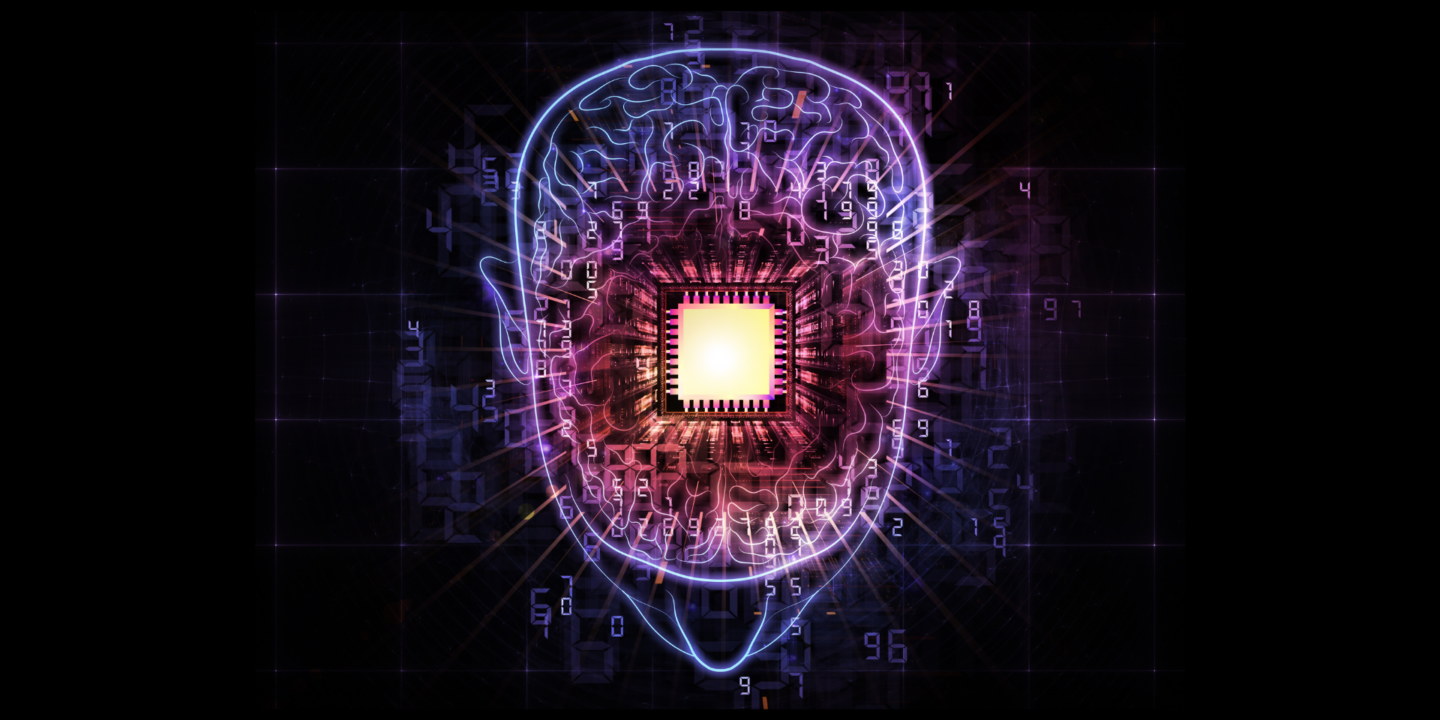
Hey everyone, let’s talk about something truly mind-blowing: the intersection of neuroscience and artificial intelligence. It’s not just a cool concept from science fiction anymore; it’s a rapidly evolving field with the potential to revolutionize everything from healthcare to technology. Think about it: understanding how the brain works could unlock the secrets to creating truly intelligent machines. Intrigued? Let’s dive in.
The Brain: The Ultimate Inspiration for AI
For decades, scientists and engineers have looked to the human brain for inspiration in developing artificial intelligence. After all, the brain is the most complex and sophisticated information processing system we know. Early AI research focused on mimicking the brain’s logical reasoning abilities. But now, with advances in neuroscience, we’re gaining a much deeper understanding of how the brain learns, adapts, and even experiences consciousness.
Neuroscience: Unlocking the Brain’s Secrets
Neuroscience is the scientific study of the nervous system, including the brain. Through techniques like brain imaging (fMRI, EEG), computational modeling, and cognitive experiments, neuroscientists are unraveling the intricate workings of the brain. They’re mapping neural circuits, identifying the brain regions responsible for different functions, and discovering the mechanisms behind learning, memory, and decision-making.
AI: From Mimicking to Modeling the Brain
Armed with this knowledge, AI researchers are moving beyond simply mimicking brain functions to actually modeling them. They’re developing new AI algorithms and architectures that are inspired by the brain’s structure and function. For example:
- Neuromorphic Computing: This field aims to build computer hardware that mimics the structure and function of the brain, using artificial neurons and synapses. This could lead to more energy-efficient and powerful AI systems.
- Brain-Computer Interfaces (BCIs): BCIs allow direct communication between the brain and external devices. This has huge potential for helping people with disabilities, as well as for developing new ways to interact with technology.
- Cognitive Computing: This type of AI focuses on creating systems that can understand and respond to human language, learn from experience, and solve complex problems, much like the human brain.
The Convergence: A New Era of Innovation
The convergence of neuroscience and AI is creating a wealth of exciting career opportunities. Imagine working on projects like:
- Developing AI algorithms that can diagnose diseases based on brain scans.
- Building robots that can learn and adapt like humans.
- Creating virtual reality experiences that feel incredibly real by directly stimulating the brain.
- Designing personalized learning programs that adapt to an individual’s cognitive abilities.
Career Paths at the Intersection
So, what kind of careers are emerging in this fascinating field? Here are just a few examples:
- Computational Neuroscientist: These researchers use computational models to study the brain and develop theories about its function.
- AI Engineer/Developer: These professionals design and build AI systems that are inspired by neuroscience research.
- BCI Developer: These engineers create and improve brain-computer interfaces for various applications.
- Neuroinformatics Specialist: These experts manage and analyze large datasets of neuroscientific data.
- Cognitive Scientist: These researchers study human cognition and develop models of how the brain processes information.
Getting Involved: Your Brain’s Journey into Tech
Interested in exploring this field? Here’s how you can get started:
- Educational Background: A strong foundation in computer science, neuroscience, biology, or a related field is essential.
- Specialized Courses: Look for courses and programs in computational neuroscience, AI, machine learning, and related areas.
- Research Opportunities: Seek out research internships or volunteer positions in neuroscience or AI labs.
- Networking: Attend conferences, workshops, and meetups to connect with professionals in the field.
The Future is Now (and in Your Brain)
The intersection of neuroscience and AI is not just a trend; it’s a fundamental shift in how we understand intelligence and develop technology. By combining our knowledge of the brain with the power of AI, we can unlock incredible possibilities for the future. So, if you’re looking for a career that’s both intellectually stimulating and has the potential to make a real difference in the world, consider exploring this exciting frontier. The future is now, and it’s happening in your brain!